About Me
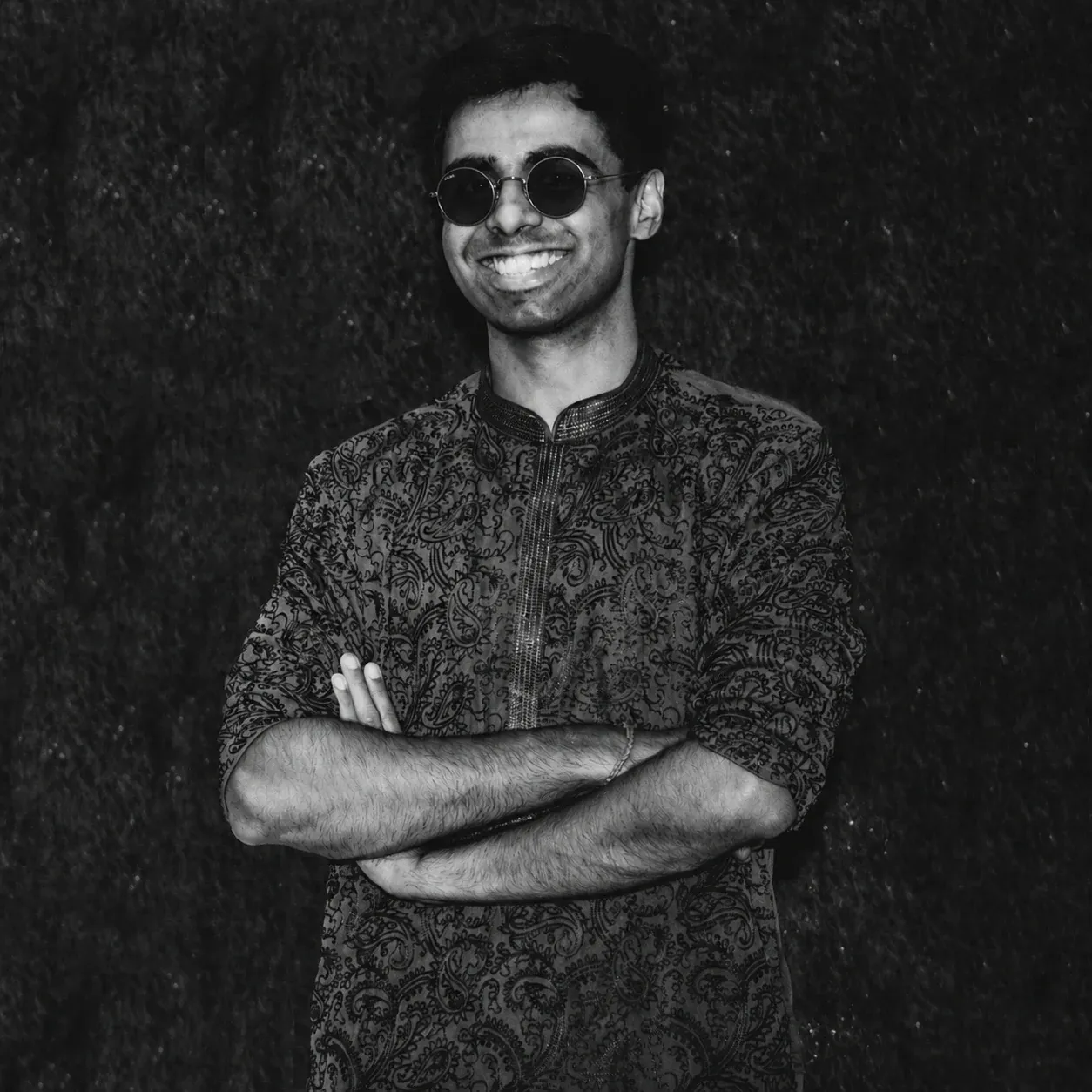
This is my only home in the digital realm. The rest of this site is about the things I do, and this page is about the person doing them.
I'm a good listener, and I don't wait for a gap to say my own thing. I can sit with someone for hours while they work something out, without trying to fix it or steer it anywhere. I don't judge much, and I joke a lot.
There's a stricter side of me underneath that, where I have very particular ideas about how things ought to be done, and I lose track of time completely when something has my attention. That state has a name, flow, and the people who study it describe it simply. You're doing something hard enough to take everything you've got, but not so hard that you fail. The world outside the task drops away, and afterwards you can't say where the time went. They say the hours spent in it are the best ones a life has, the ones where a skill is stretched just past what it can already do. I'm either at a hundred percent or at zero, and I've never worked out how to coast. That cuts both ways - it's why I practise at five in the morning, and it's also why I'm useless at anything I've decided I don't care about. The five isn't an accident either. The old Indian daily routine sets the hour and a half before sunrise aside for practice and prayer, and calls it the hour of the creator, on the idea that the mind is at its clearest before the day has touched it. And it turns out that the people who keep morning hours tend to be the ones who finish what they start.
People tell me I'm energetic, which is true, and it usually surprises anyone who met me somewhere quiet first. I'm also an introvert, and both are real - I spend the energy, and then I need to be alone to get it back. That's what the word meant when it was coined a century ago, long before it came to mean shy: not a quiet person, but a person whose energy flows inward, who recharges alone rather than in company. It says where your energy comes back from, and mine comes back in a quiet room.
Mostly I take something on because I want to enjoy it and to be good at it, rather than because it's expected or because it looks like progress. That's the whole filter, and it's why some things are on this site and others aren't. It also explains why there are so many of them. When someone compared the scientists who had won the biggest prizes with ordinary scientists, the prize-winners turned out, far more often than you'd expect, to have a serious hobby in music, painting, writing or a craft. Many of them said the connections between the two were where their good ideas came from. The Gita, the part of the Mahabharata where Krishna teaches Arjuna on the battlefield, defines yoga as skill in action, doing a thing well for its own sake, and that's close to what the filter is looking for.
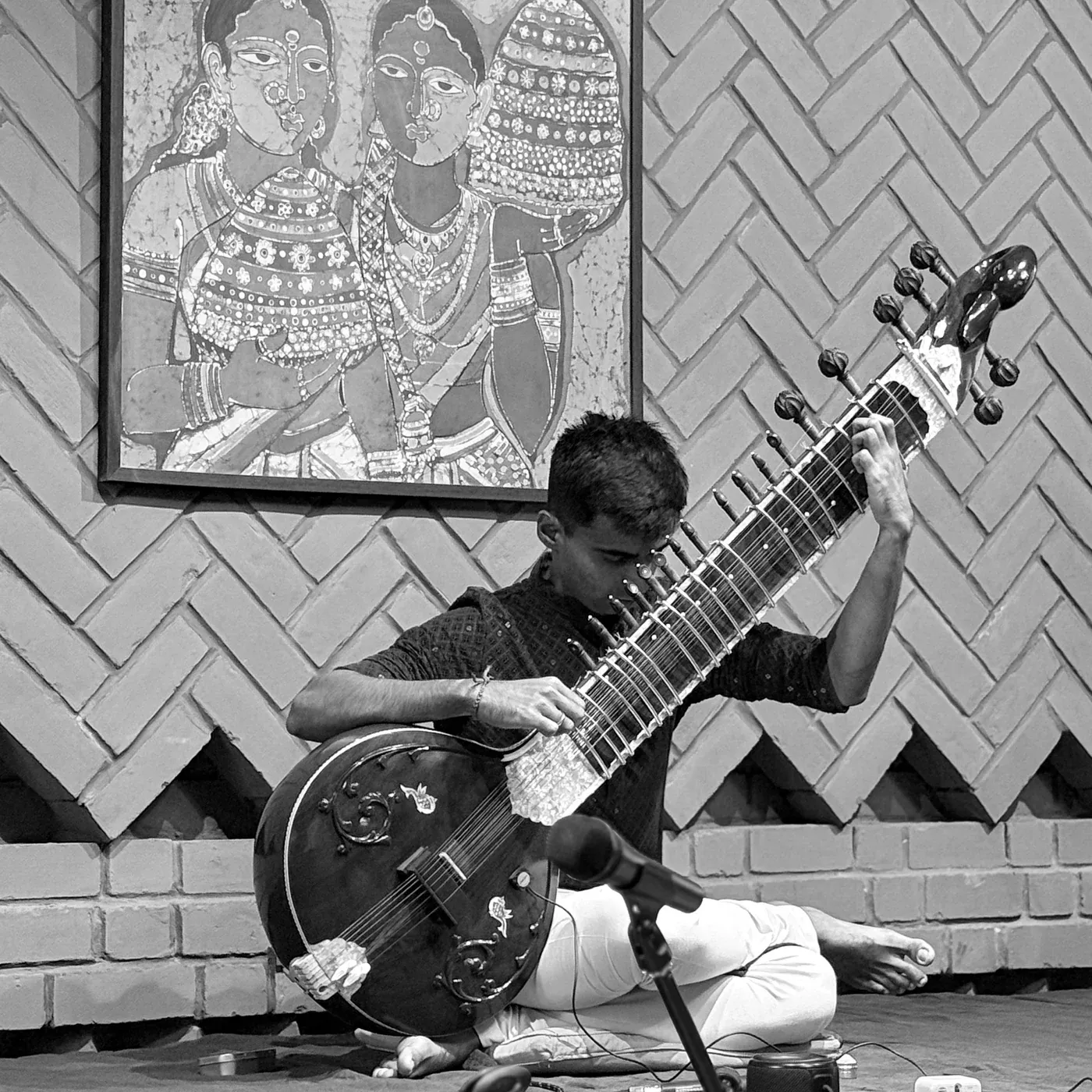
The freedom to choose matters more to me than almost anything else, whether that's practising what I want or working on what I find worth doing.
I'm not much good at hypotheticals. What-if conversations make me restless, because the real thing in front of me is always more interesting than a version of it that doesn't exist yet. The Stoics, the old Greek and Roman school of philosophers whose whole method was sorting what is in your control from what isn't, said as much: attend to what's in front of you and leave the rest, since the rest was never yours to decide.
If we talk, I'd rather go deep than wide, and spend three hours on two things instead of two hours on ten. My favourite thing is the point where a conversation has gone somewhere neither of us would have got to alone, and then the silence when there's genuinely nothing left to say about it.
I recently took a couple of personality tests for fun (the HEXACO and a Big Five one, which are the two questionnaires psychologists use most, and which score you on a few broad traits rather than sorting you into a type). They placed me high on conscientiousness, which is finishing what you start, on openness, which is curiosity about ideas and new things, and on honesty-humility. They also put me on the bolder, livelier half of extraversion, though not the sociable half, which fits the paragraph about being an introvert. Honesty-humility is the least famous of those, and it means roughly that you'd rather be fair than admired. And they put me well below average on anxiety, which the Gita would have made the most of, since its other definition of yoga is evenness of mind, staying the same through good news and bad.