
Black & White Photography
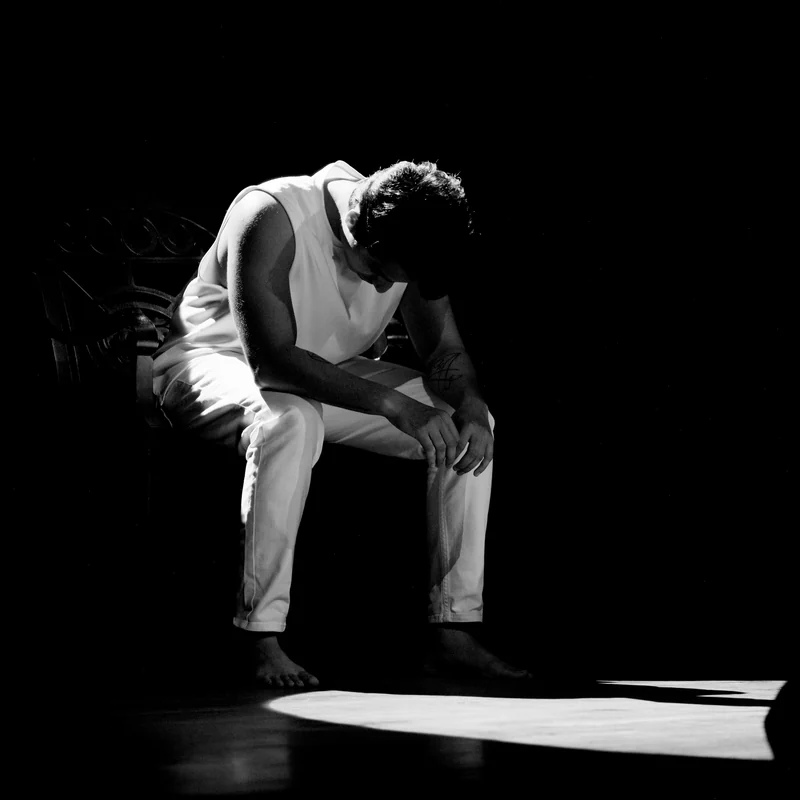
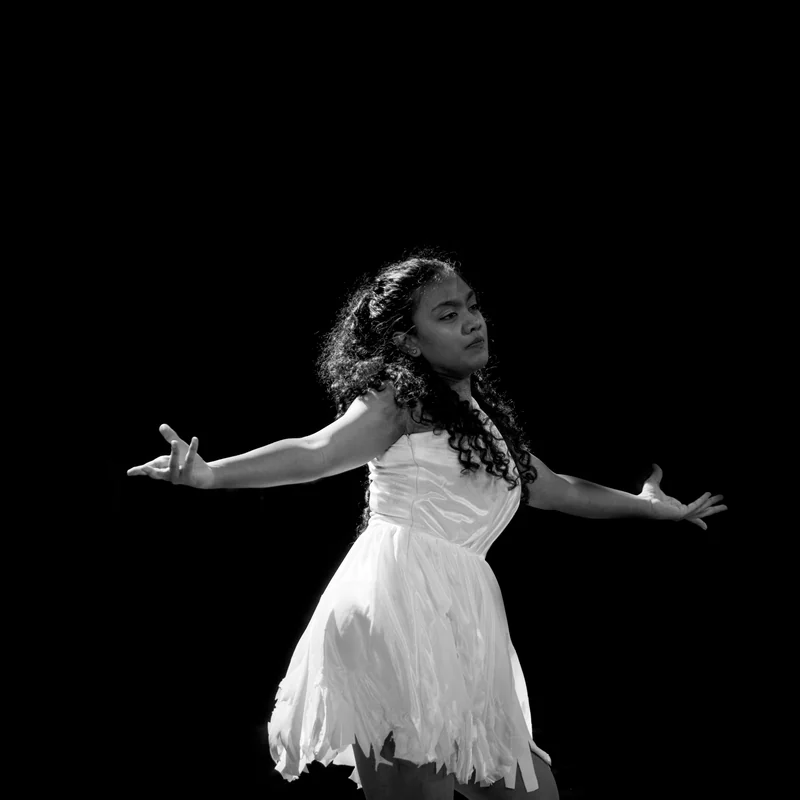
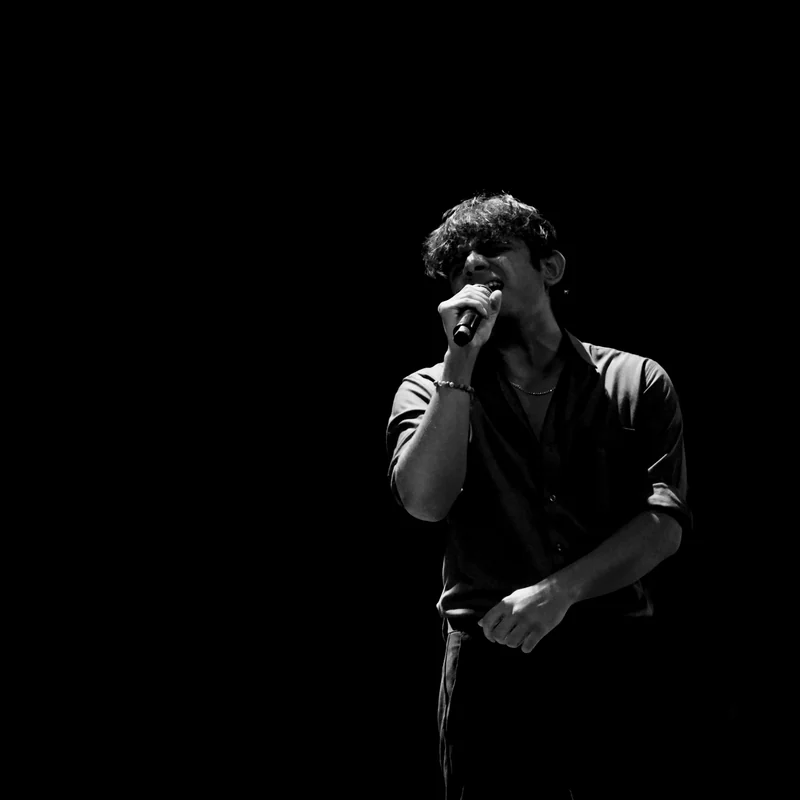
For me, black and white is the fastest way I know to find out whether I actually saw something. Black and white were also photography's first colours, and for most of its first century all it had, so everything a photograph is built on was worked out without colour and still works without it. It also puts a picture outside of time. People place a monochrome frame further back than a colour one of the same scene, so a photograph from a hundred years ago and one from last week hang together easily.
Colour describes and black and white interprets, so a monochrome frame is already a reading of the scene. Shape takes a moment where colour lands on you straight away, which is why a black and white picture asks a little more of whoever is looking at it. In black and white a portrait is about the person. The camera also ends up teaching you to see without it, in light and shadow, and a photograph is made in that looking long before it's taken.
What follows is a small archive of the frames I've kept, and some writing about the pictures and how they get made.
Photographs
Writing
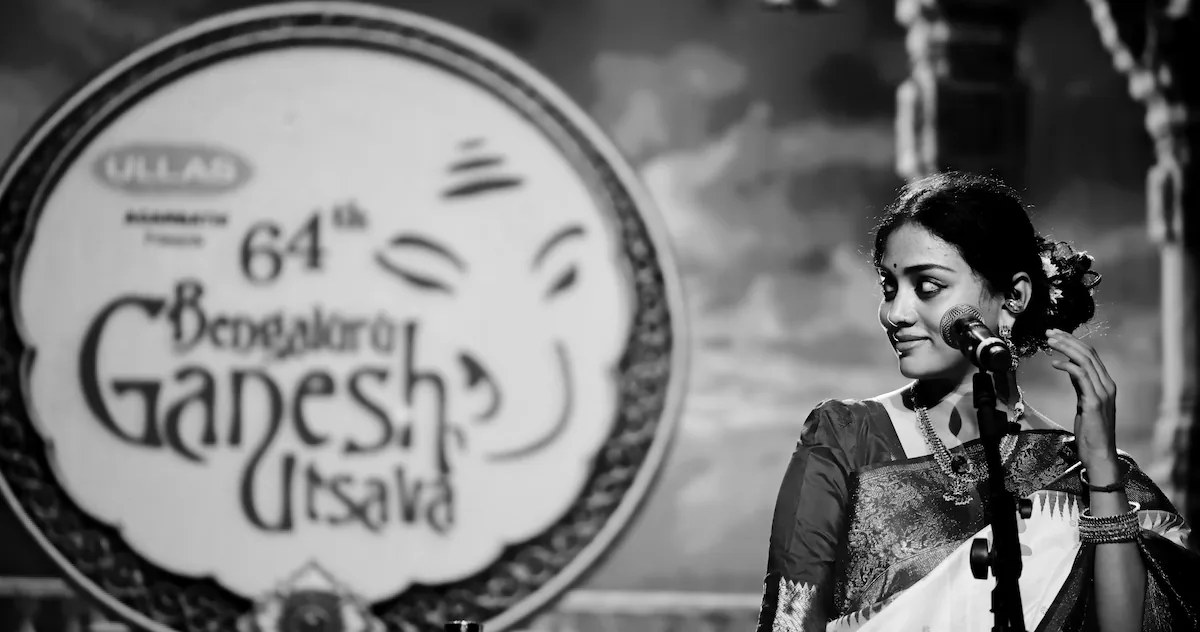
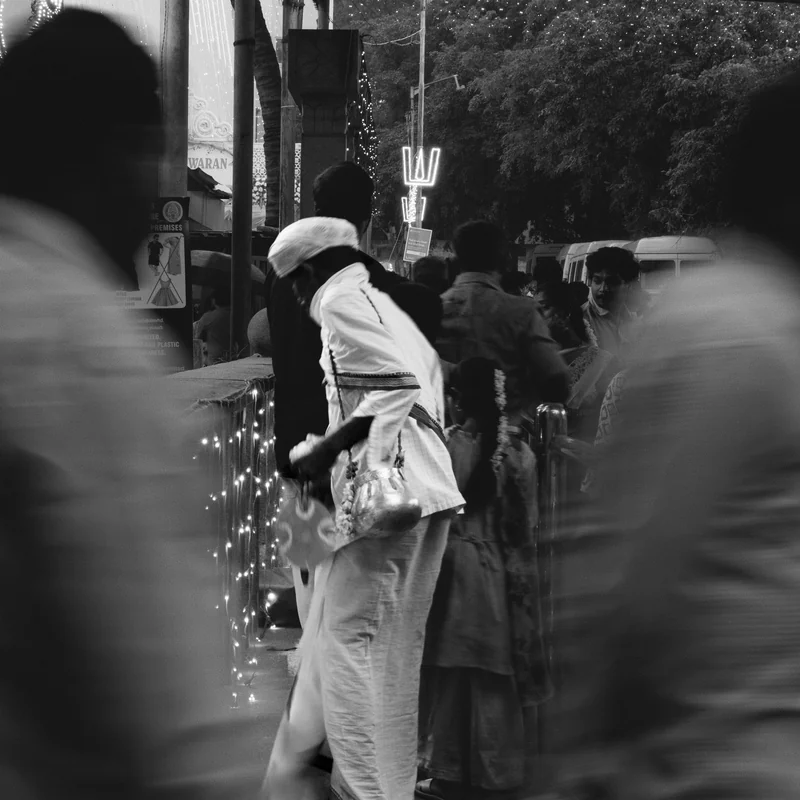
Ganapathi Bappa Morya!
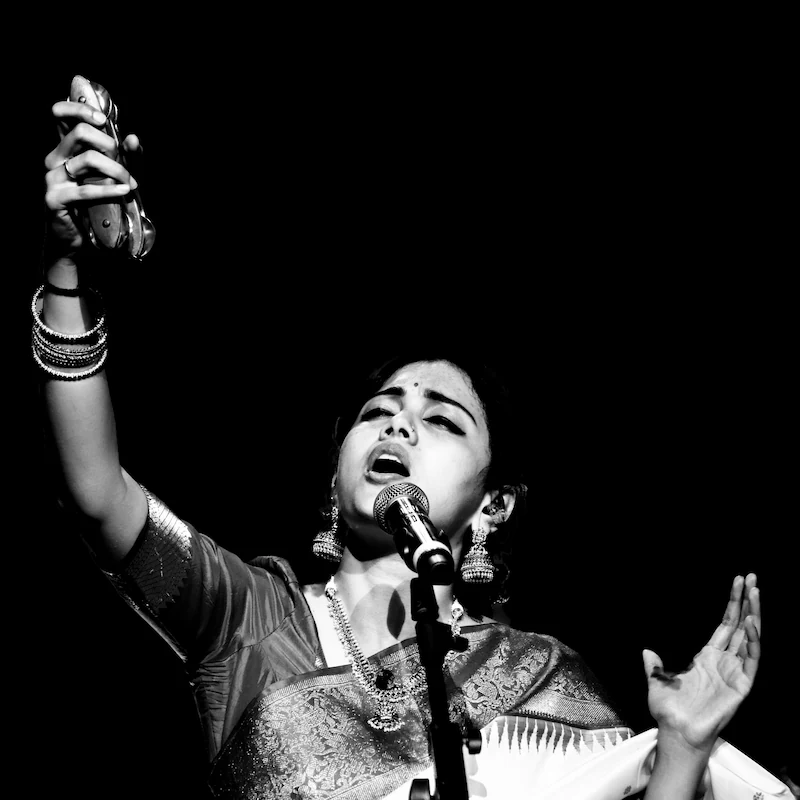
I spent an evening at the 64th Bengaluru Ganesh Utsava in Basavanagudi, from the drums at 5pm and the aarti to Sivasri Tejasvi Surya's bhajans, where the entire crowd sang along with her.
The art of black and white photography
Underneath its colour, a photograph is a map of light and dark, and that map is what the eye uses to see shape. Black and white shows me the map on its own, which is how I find out whether a frame holds.